

 By
By When we think of protein, the humble egg is often the first thing that comes to mind. With 6 grams of protein per egg, it seems like an easy win. However, the sources suggest that modern, commercially produced eggs may not be as healthy as they seem, often coming from hens kept in adverse conditions or treated with antibiotics, which can lead to antibiotic resistance in humans. Furthermore, studies have shown that consuming more than one egg a day can increase the risk of diabetes by 23%.
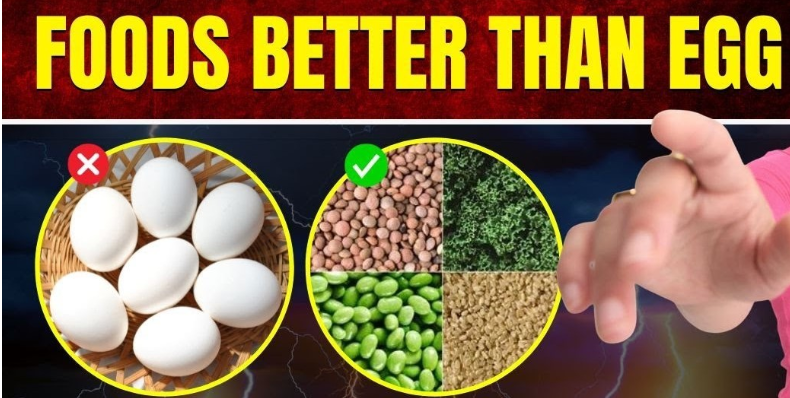
Protein is essential for increasing muscle mass, muscle repair, and boosting metabolism to help burn fat. It also contributes to glowing skin, strong hair, and bone health. If you are looking for healthier, plant-based alternatives, here are five amazing vegetarian foods that are actually better than eggs.
1. The Power of Lentils: Urad and Moong Dal
Lentils are a staple of the Indian kitchen for a reason. Just one katori (bowl) of Urad dal provides 15 grams of protein—more than double that of an egg.
• Urad Dal: Known in Ayurveda as Maash, it is prized for building muscle and contains vital micronutrients like Magnesium (for muscle relaxation), Manganese (for strength), and Zinc (for testosterone).
• Green Moong Dal: Offers 14 grams of protein per katori and is exceptionally easy to digest for both children and adults. While eggs may increase diabetes risk, regular consumption of lentils has been shown to reduce the risk of diabetes by 20%.
2. Bhuna Chana (Roasted Chickpeas) & Sattu
Often called the “real protein powder,” 100 grams of Bhuna Chana contains a whopping 22 grams of protein.
• Superior Quality: Modern studies recognize the protein in bhuna chana as superior to many other plant proteins.
• Sattu: When ground into a powder, it becomes Sattu, a highly absorbable protein source containing iron, calcium, and folate. One scoop of sattu provides 7 grams of protein and is free from the artificial sweeteners found in whey supplements.
3. Milk and Milk Products
Ethically sourced milk is a “vegetarian alternative to non-vegetarian food” because it contains Vitamin D, B12, CLA, and Omega-3 fatty acids.
• Muscle Recovery: Drinking milk after a workout can decrease muscle damage and promote repair.
• Versatility: A single glass of milk offers 10 grams of protein. If you prefer solid food, 100 grams of paneer provides 20 grams of protein, while a bowl of dahi (yogurt) offers 7 grams.
4. Green Peas: The Complete Vegan Protein
Green peas are unique among vegetables because they are a complete protein source, containing all nine essential amino acids.
• Equal to Whey: Scientific research from 2015 found that muscle growth from pea protein was equal to that of whey protein.
• Blood Sugar Benefit: One cup provides 9 grams of protein and helps reduce blood sugar levels. Combining peas with paneer (Matar Paneer) can easily provide 25 grams of protein in a single serving.
5. Peanuts: The Heart-Healthy Snack
Peanuts actually have the highest protein content compared to almonds, cashews, or walnuts.
• Protein Power: Just one handful provides 7 grams of protein.
• Heart Health: While non-vegetarian proteins can increase heart disease risk over time, eating peanuts regularly can lower the risk of heart disease by 13%.
• Moderation is Key: The sources recommend limiting intake to 15–20 peanuts or 2 tablespoons of peanut butter per day.
How Much Protein Do You Really Need?
According to the sources, there is no single answer, but the studies recommends that 5–10% of your daily calorie intake should come from protein. For most people, a balanced Indian diet—such as paranthas with curd, dal rice, and a glass of milk—easily meets the daily requirement, providing approximately 43 grams of protein in an 1800-calorie diet.
By incorporating these five “protein gems” into your meals, you can build muscle and improve your health without relying on eggs.