

 By
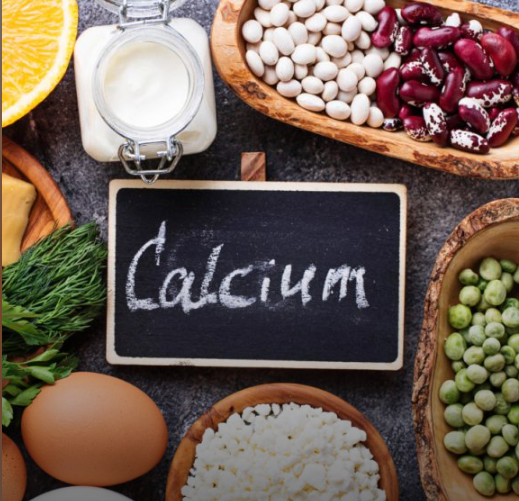
By Calcium is an essential mineral not just for your bones and teeth, but also for your heart, muscles, and nerves. When your body lacks enough calcium, it begins to extract it from your bones and teeth to maintain vital functions, leading to issues like lower back pain, joint cracking, cavities, and even osteoporosis.
While milk is the most common go-to for calcium, many people today face issues with milk quality or digestive problems like bloating and diarrhea. Fortunately, the sources reveal five vegetarian foods that actually contain more calcium than milk.
1. Choona (Edible Lime)
The word calcium is derived from the Latin word calx, meaning limestone or choona. According to Ayurveda, edible-grade choona is one of the most powerful remedies for calcium deficiency.
• How to use: Mix a wheat-grain-sized amount of edible choona into curd, dal, or sabzi.
• Pro-tip: Calcium requires fats for absorption, so taking it with curd or oily foods is far more effective than taking it with water.
2. Sesame Seeds (Til)
Sesame seeds are a nutritional powerhouse. While 100ml of milk provides 125mg of calcium, 100g of sesame seeds provides a staggering 975mg—nearly eight times more.
• Bone Health: They contain sesamin, a compound that protects cartilage and helps relieve knee pain.
• Seasonal Use: In winter, enjoy them as til gud (with jaggery); in summer, they can be dry-roasted and added to salads or curries.
3. Kulthi Dal (Horsegram)
If you are looking for the “king” of calcium among lentils, it is Kulthi Dal. It contains about 300mg of calcium per 100g.
• Kidney Stones: Unlike some calcium supplements that can cause stones, Kulthi Dal is a natural remedy used to help get rid of kidney and gallbladder stones.
• Rotation: Other pulses like Rajma (270mg) and Black Chana (220mg) are also excellent sources to rotate into your diet.
4. Ragi (Finger Millet)
Ragi is significantly superior to common staples like wheat and rice. It contains 330mg of calcium per 100g, which is 10 times more than wheat and 33 times more than rice.
• Benefits: It is also rich in iron and potassium, helping with hemoglobin levels and blood pressure.
• How to eat: You can make soft ragi rotis by kneading the flour in boiling water, or try a “potents calcium smoothie” by mixing ragi paste with curd and lemon.
5. Rajgira (Amaranth)
Rajgira, often eaten during fasts, contains 340mg of calcium per 100g.
• Complete Protein: It is a rare vegetarian source that contains all nine essential amino acids.
• Superior to Quinoa: Rajgira is higher in protein and iron than quinoa and is significantly more affordable. You can consume it as halwa, chapatis, or even eat the leaves (Lal Saag/Chaulai).
——————————————————————————–
Why Am I Deficient?
Even if you eat well, you might still be deficient due to poor absorption. This can be caused by:
• Weak digestion or certain medications.
• Excessive intake of tea, coffee, or sugary foods.
• Lack of Vitamin D, which is vital for calcium absorption. To fix this, try massaging with sesame oil and sitting in the sunlight.
By incorporating these five superfoods into your regular diet, you can address symptoms like fatigue, white spots on nails, and joint pain, ensuring your bones stay strong for years to come