

 By
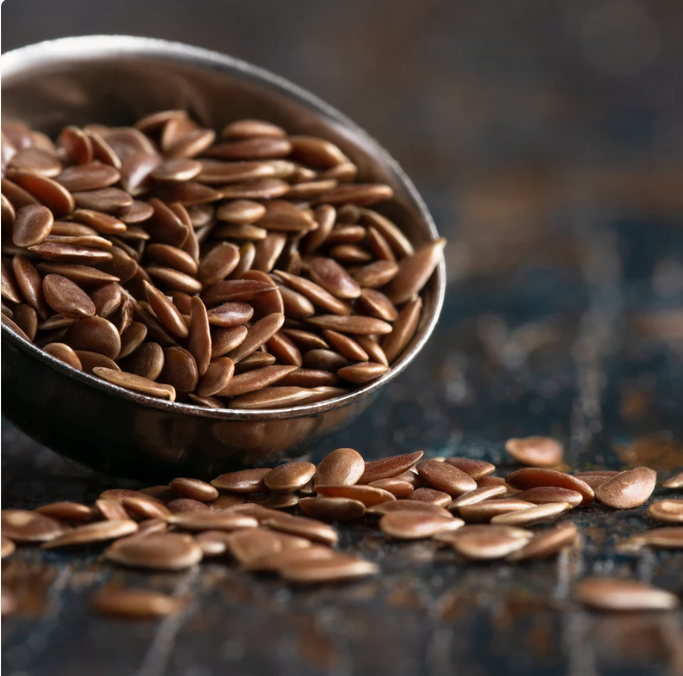
By Flax seeds are a nutritional powerhouse that can transform your health, from melting belly fat to improving heart function and hair texture. Often referred to as a superfood, these tiny seeds are concentrated packages of nutrients that have been documented in both ancient Ayurvedic scripts and modern scientific studies. Whether you are looking to boost your brainpower or manage chronic conditions like diabetes, flax seeds offer a natural, cost-effective solution.
Why Flax Seeds Are a Nutritional Powerhouse
The reason flax seeds are so effective is their unique combination of three key components: Omega-3 fatty acids, fiber, and lignans. They contain Alpha-Linolenic Acid (ALA), which is a healthy fat essential for heart and skin health. Additionally, they are one of the richest sources of lignans—antioxidants that fight free radicals—containing up to 300 times more than other plant foods. Their fiber content is also exceptional, featuring a rare balance of both soluble and insoluble fibers that aid in digestion and cholesterol reduction.
Flax Seeds for Effective Weight Loss
If you struggle with cravings or overeating, flax seeds can act as a natural supplement to help you feel full. One tablespoon of these seeds can expand up to nine times its size in the stomach due to its soluble fiber, which helps eliminate the urge for constant snacking. Research involving 45 different studies indicates that consuming a spoon of these seeds daily for three months can significantly reduce BMI and waist circumference. For the best results, try mixing a spoonful of roasted powder into a glass of warm water with lemon before breakfast.
Boosting Heart Health with Flax Seeds
Regularly consuming flax seeds is like providing medicine for your cardiovascular system. The high Omega-3 content helps reduce inflammation in the arteries and can lower “bad” cholesterol levels. Furthermore, they are an incredible source of potassium, which helps open up the blood vessels and naturally regulate blood pressure. Studies show that replacing refined oils with these seeds in your diet can lead to a healthier heart and clearer arteries over time.
Managing Diabetes and Blood Sugar with Flax Seeds
For those managing diabetes, flax seeds are highly beneficial for regulating blood glucose levels. The specific fibers and lignans found in the seeds help combat insulin resistance, which is the root cause of Type 2 diabetes. They may even assist in repairing damaged beta cells in the pancreas. Doctors often recommend adding a spoonful of ground seeds to daily staples like roti dough, dal, or soup to turn a regular meal into a diabetes-friendly one.
The Secret to Shiny Hair: Flax Seeds Hair Mask
Beyond internal health, flax seeds are famous for their ability to create lustrous, silky hair. When the seeds are combined with liquid, they release a natural gel rich in proteins and good fats that nourish the scalp and strengthen hair strands. Applying this gel as a hair pack for 20-30 minutes can significantly reduce hair fall and manage dry, frizzy hair. Many find that this natural treatment is more effective than expensive salon keratin treatments.
Improving Brain Power and Memory Using Flax Seeds
If you are a student or someone in a high-stress job, flax seeds can help enhance your concentration and memory. The Omega-3 fatty acids are vital for brain health and may help prevent cognitive decline, such as dementia or Parkinson’s, in older adults. In animal studies, those given these seeds showed better brain parameters and a lower tendency toward depression in their offspring. A creamy chocolate shake made with bananas, peanut butter, and flax gel is a delicious way to fuel your brain during exams.
Joint Pain Relief and Better Digestion via Flax Seeds
In Ayurveda, flax seeds are considered a top remedy for joint pain and arthritis because they balance the “Vata” dosha. They provide lubrication to the joints and are a superior source of magnesium—containing more than almonds or chia seeds—which helps relax tight muscles. For digestion, they have been found more effective than some common over-the-counter laxatives for treating constipation. Their dual-fiber action cleanses the intestines thoroughly, promoting a healthy gut.
Critical Tips for Consumption and Storage
To get the most out of your flax seeds, you must consume them correctly:
• Always Roast and Grind: Roasting reduces phytic acid, allowing better mineral absorption. Your body cannot easily digest whole seeds, so grinding them is essential for nutrient uptake.
• Freshness Matters: Ground powder oxidizes quickly. Only grind what you can use in 5-7 days and store it in a cool, dark place, such as the fridge.
• Stay Hydrated: Because of the high fiber content, it is important to increase your water intake when eating these seeds.
For more superfood insights, check out our internal guide on the Pumpkin Seeds: 7 Powerful Health Benefits You Can Feel (Backed by Nutrition).
To learn more about the nutritional profile of various seeds, you can visit the Healthline Nutrition — Healthy Eating in Real Life official website.